English
 French


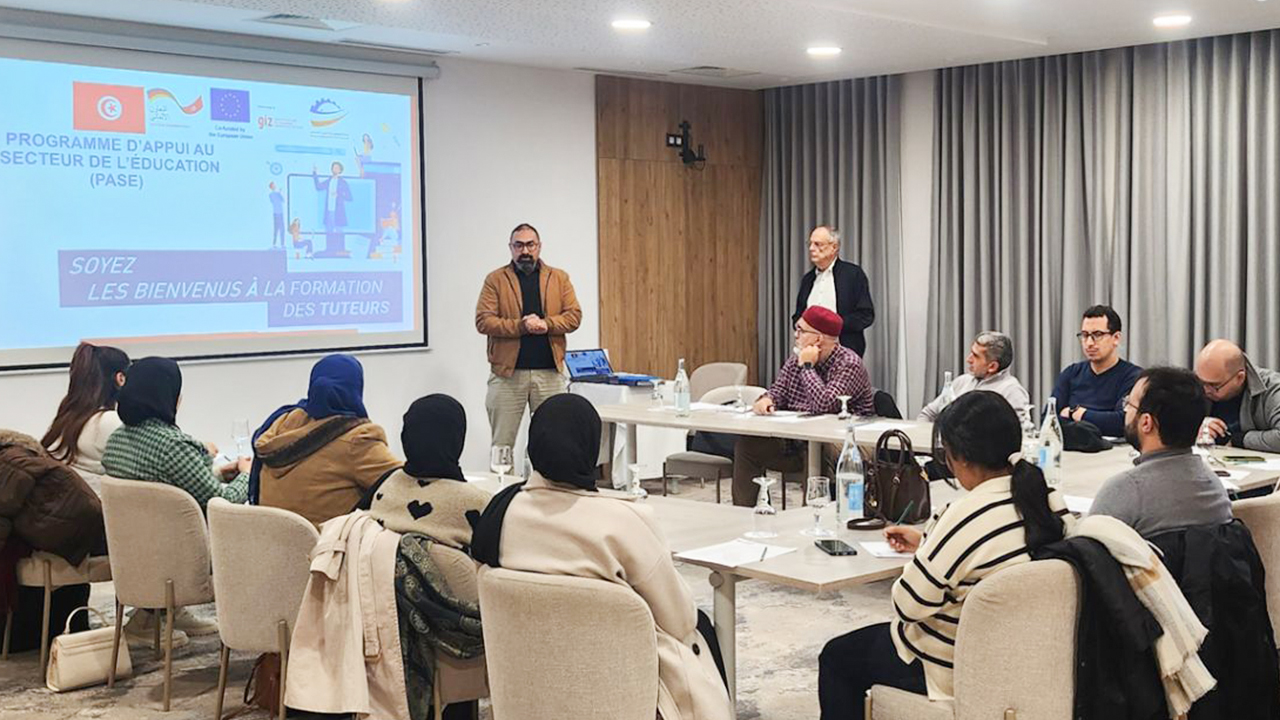
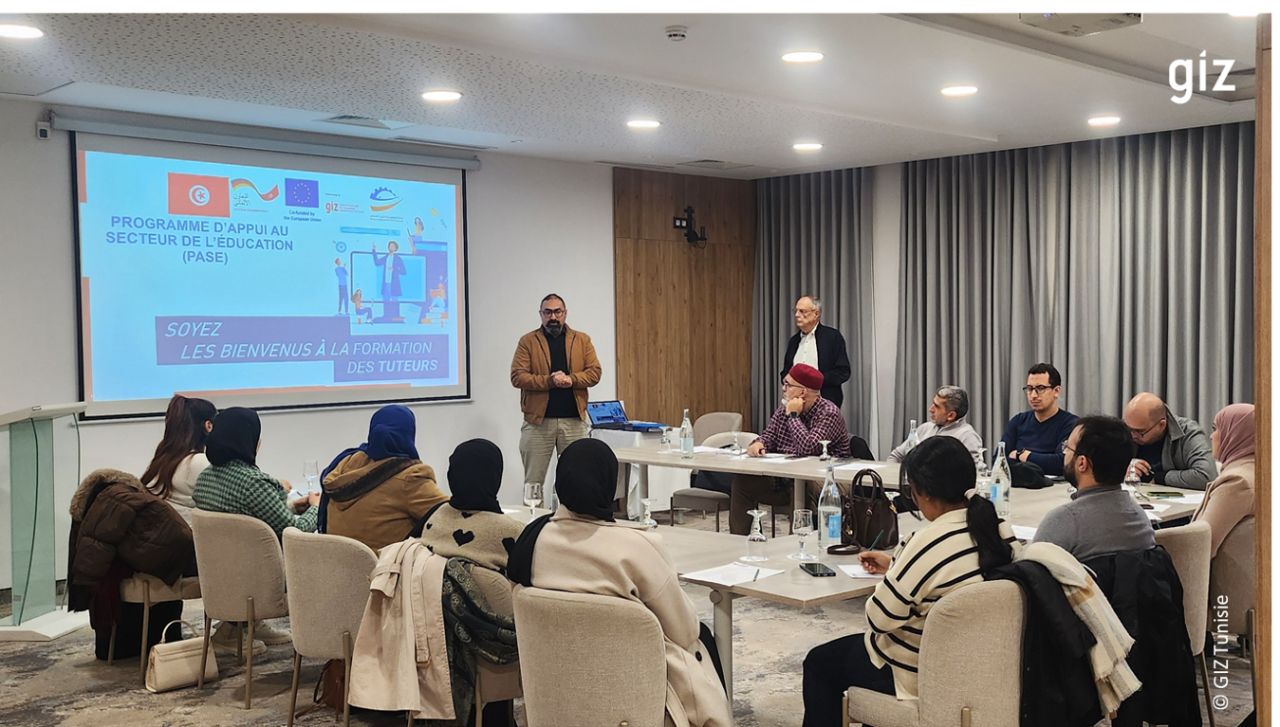
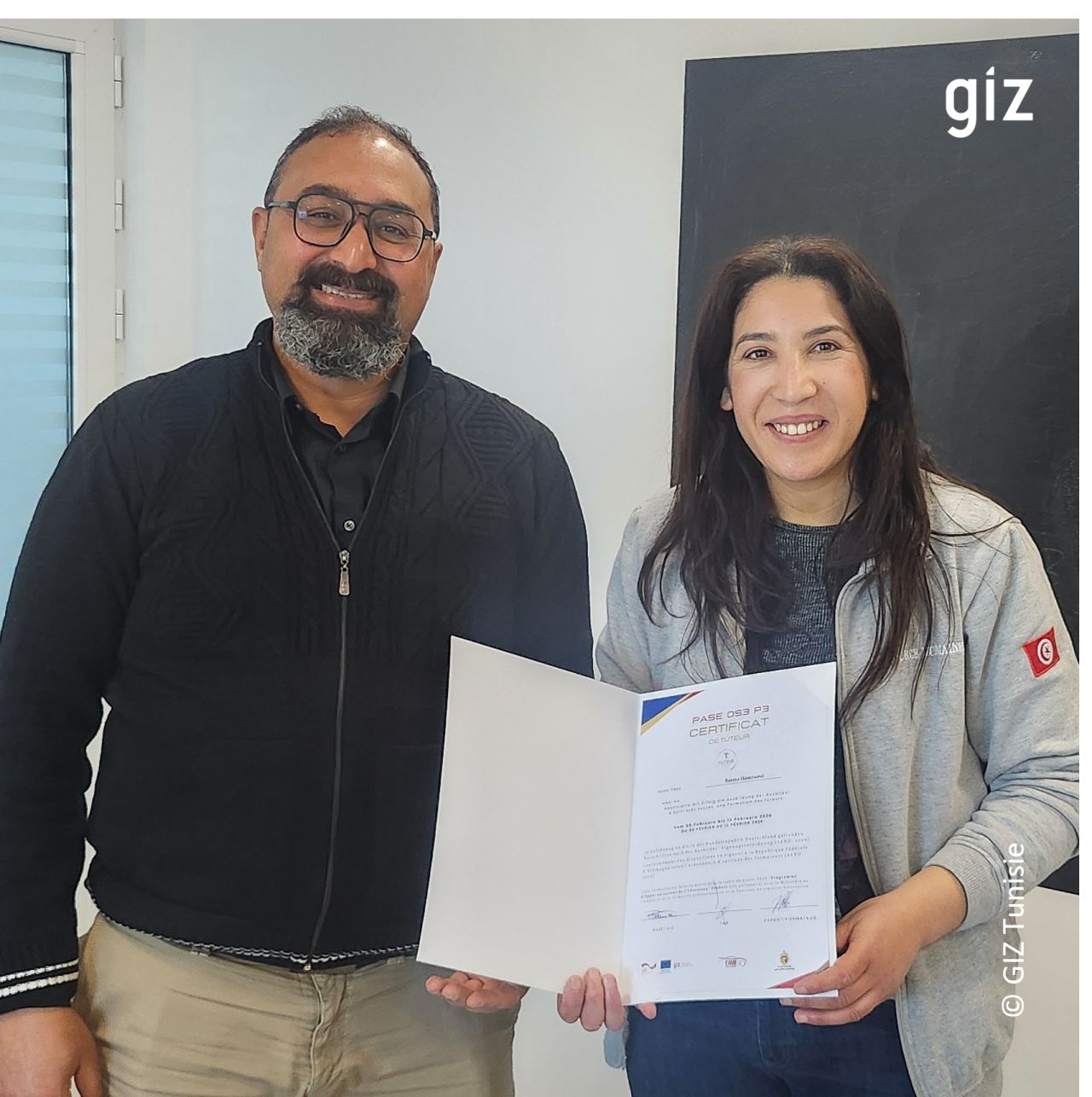
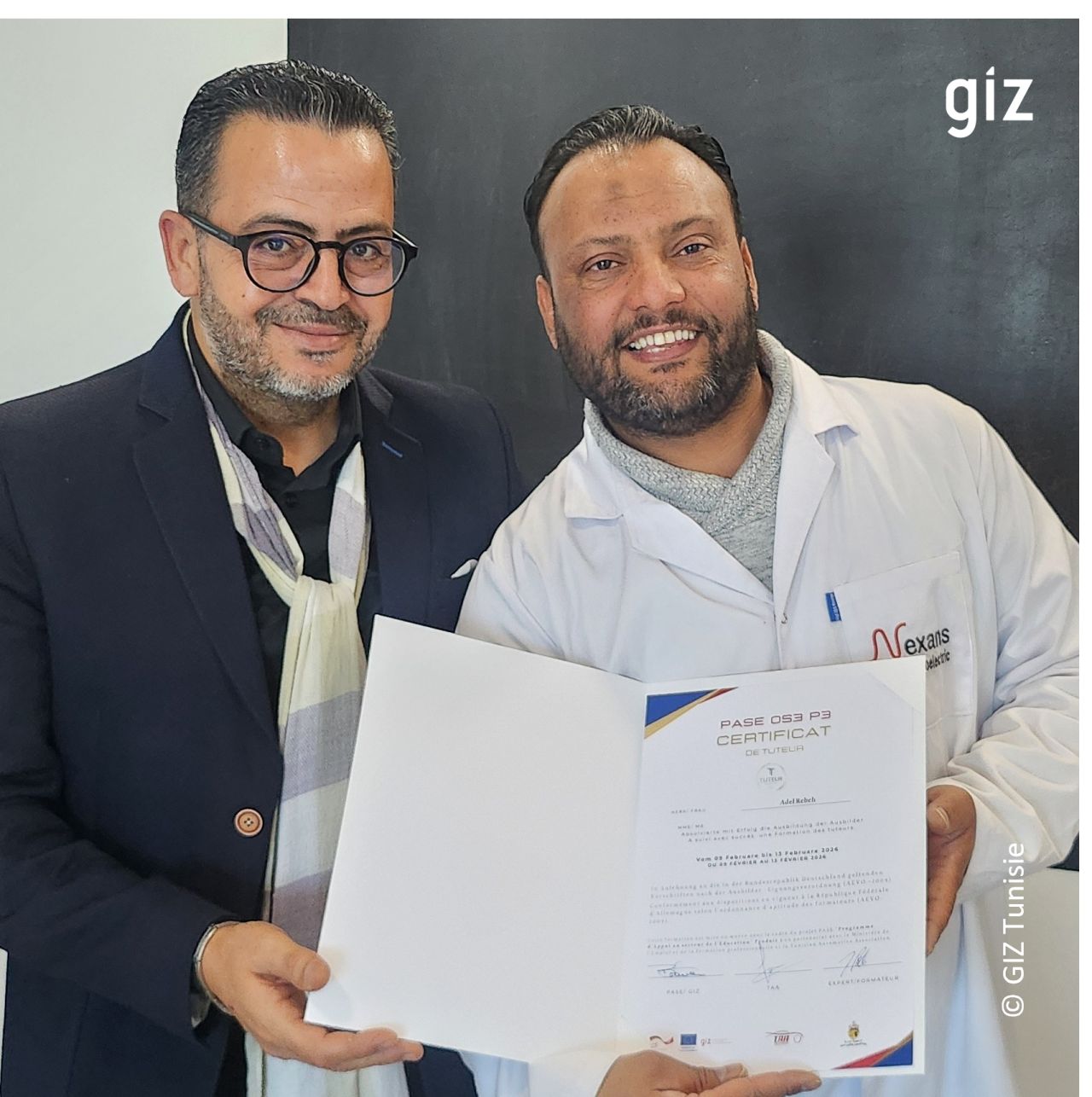
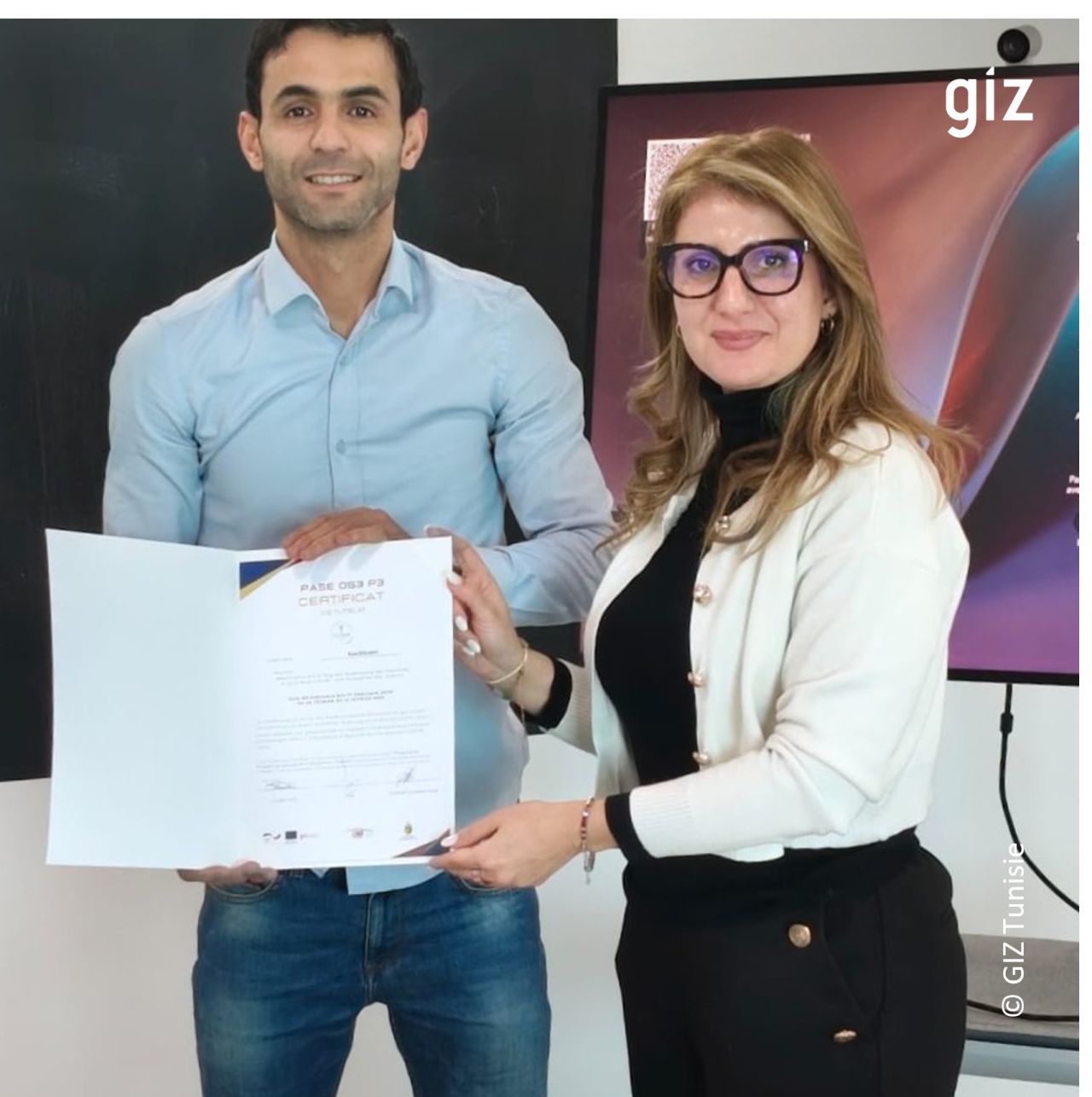
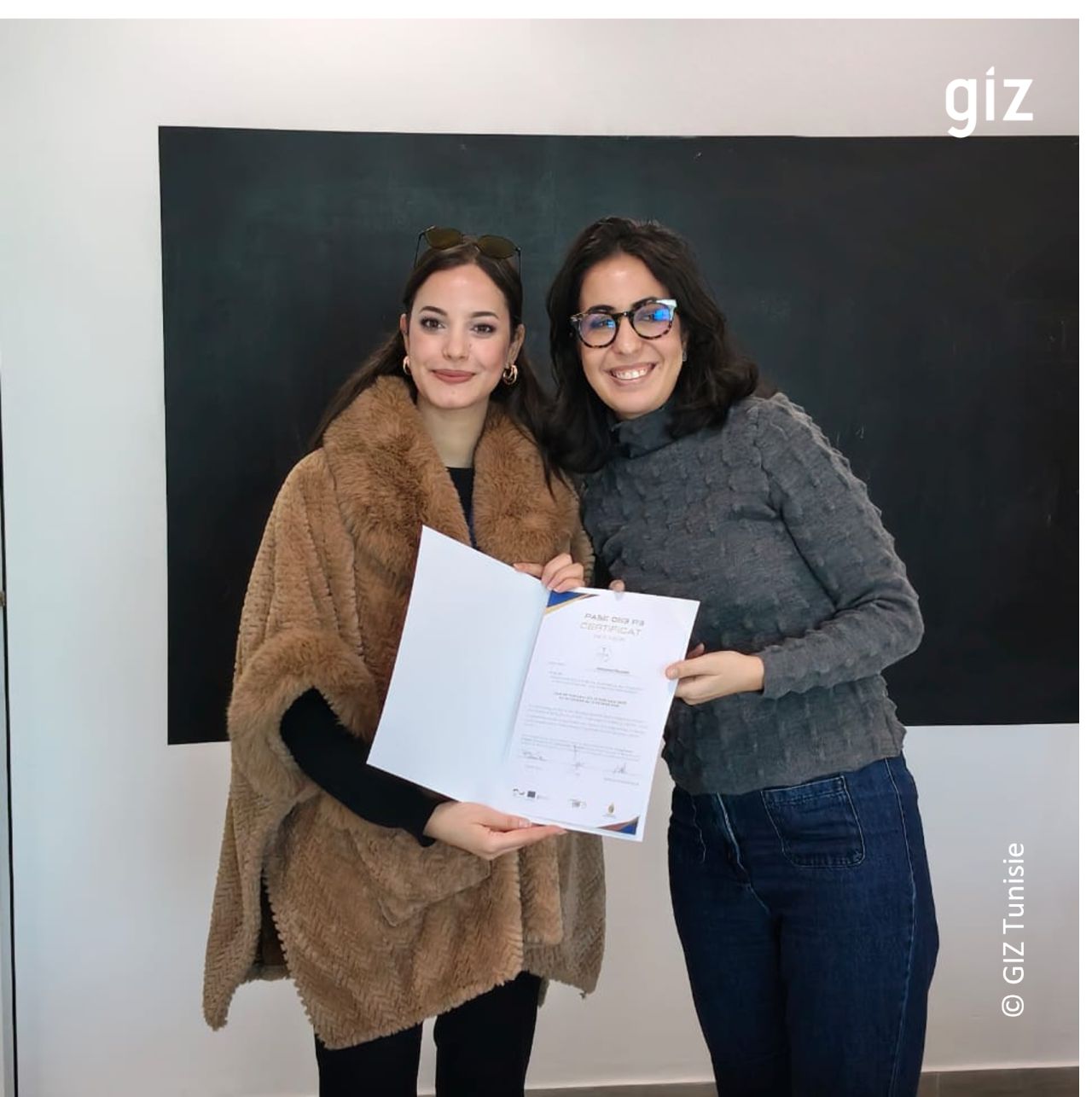
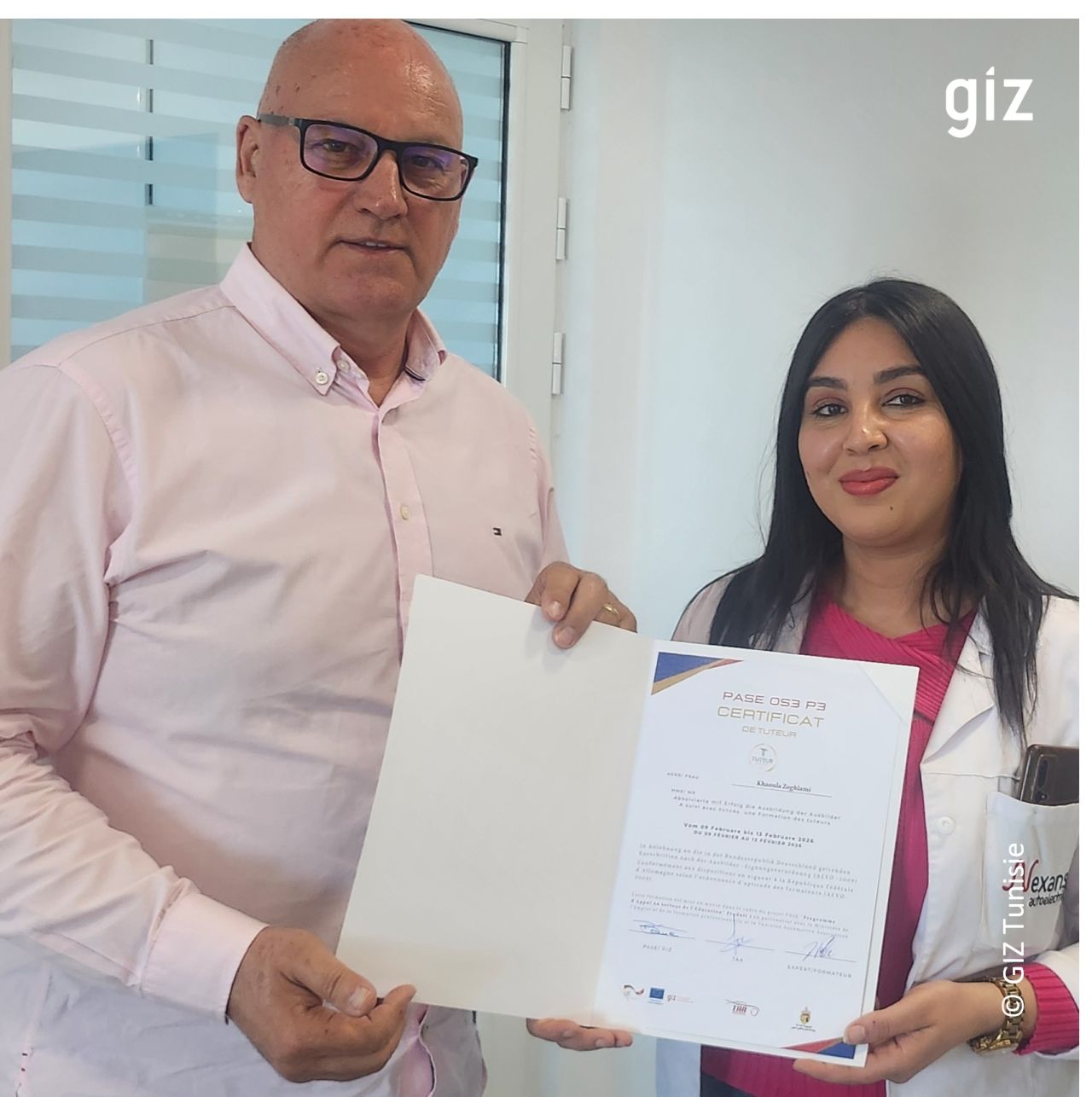
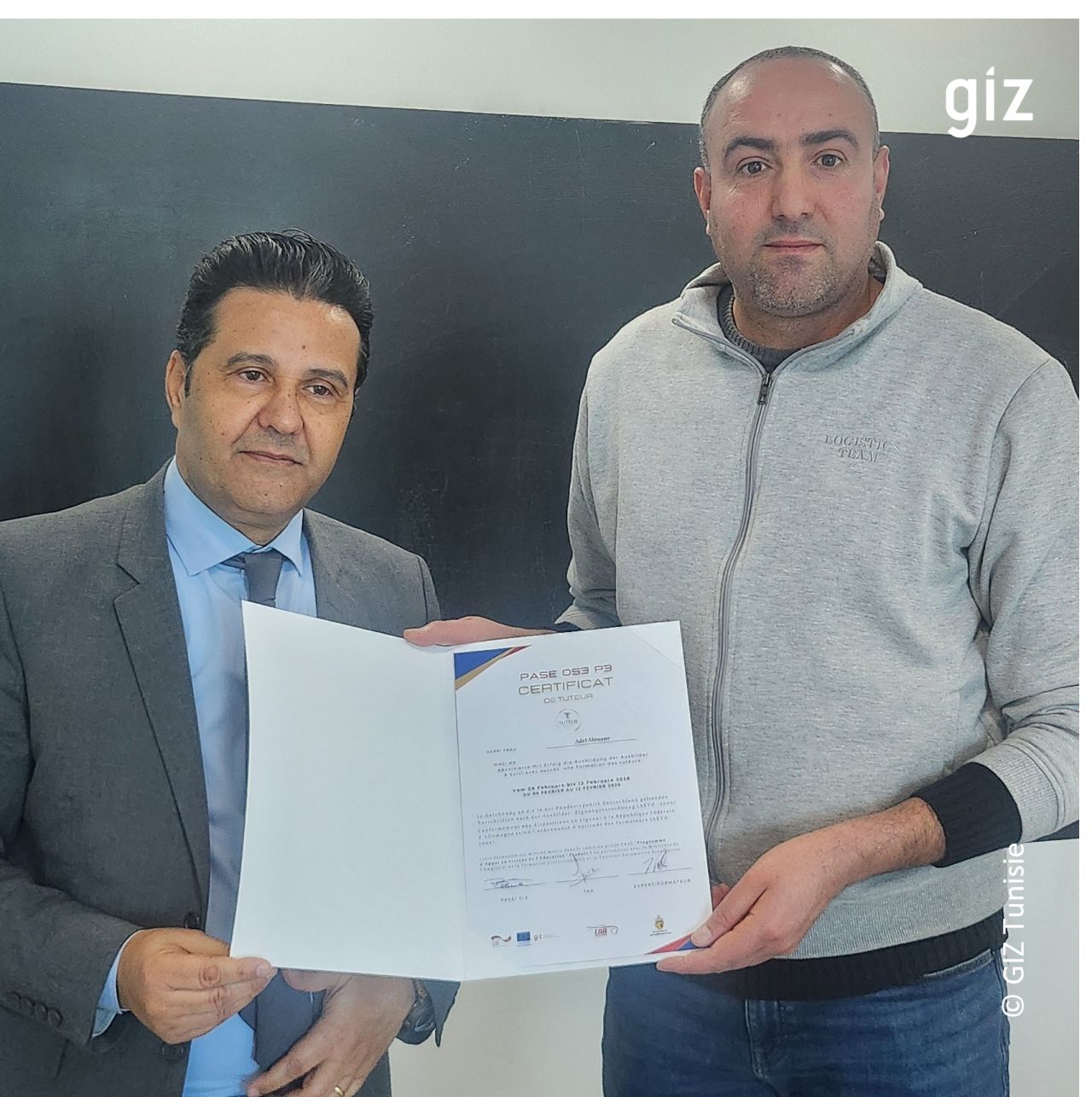
As part of a structuring partnership between the Ministry of Employment and Vocational Training and the Tunisian Automotive Association , a training session dedicated to tutors in the automotive sector was held from February 2 to 6 (group 1) and then from February 9 to 13 (groups 2 and 3).
This initiative is part of a national movement to strengthen the quality of vocational training and to consolidate the link between industrial companies and young talent.
40 tutors trained according to an international curriculum
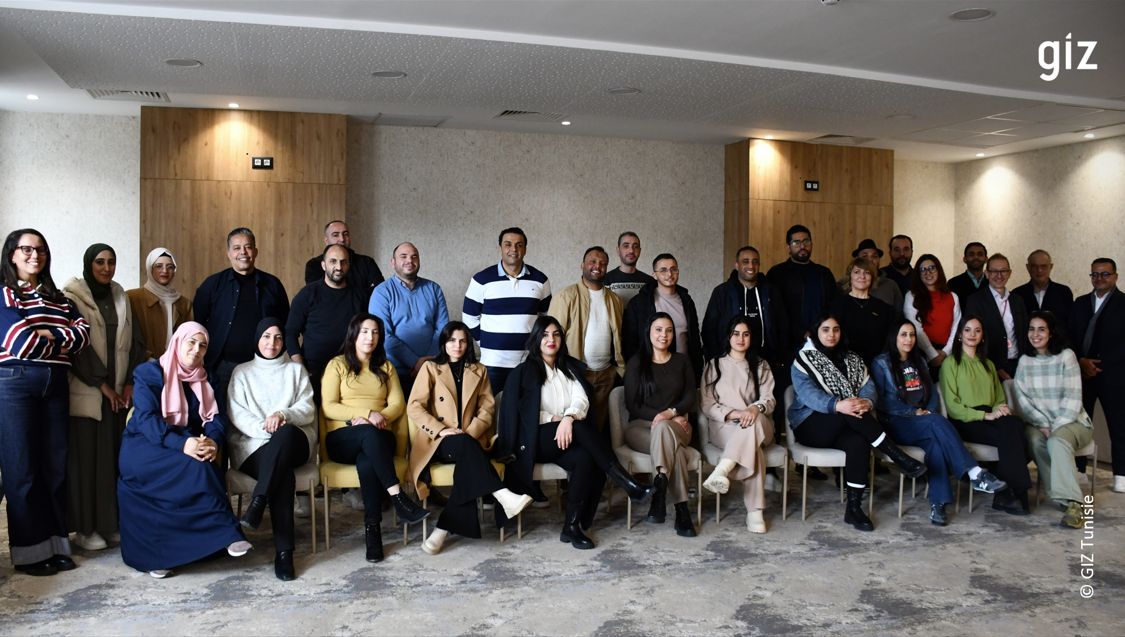
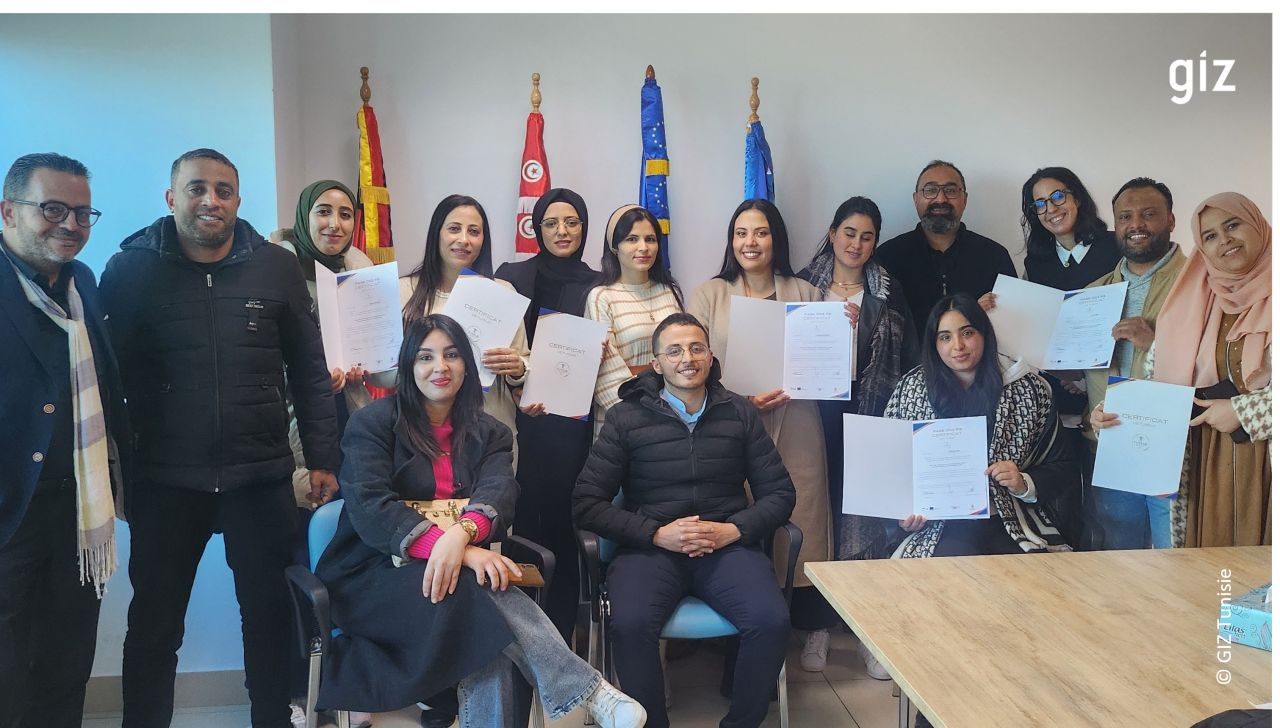
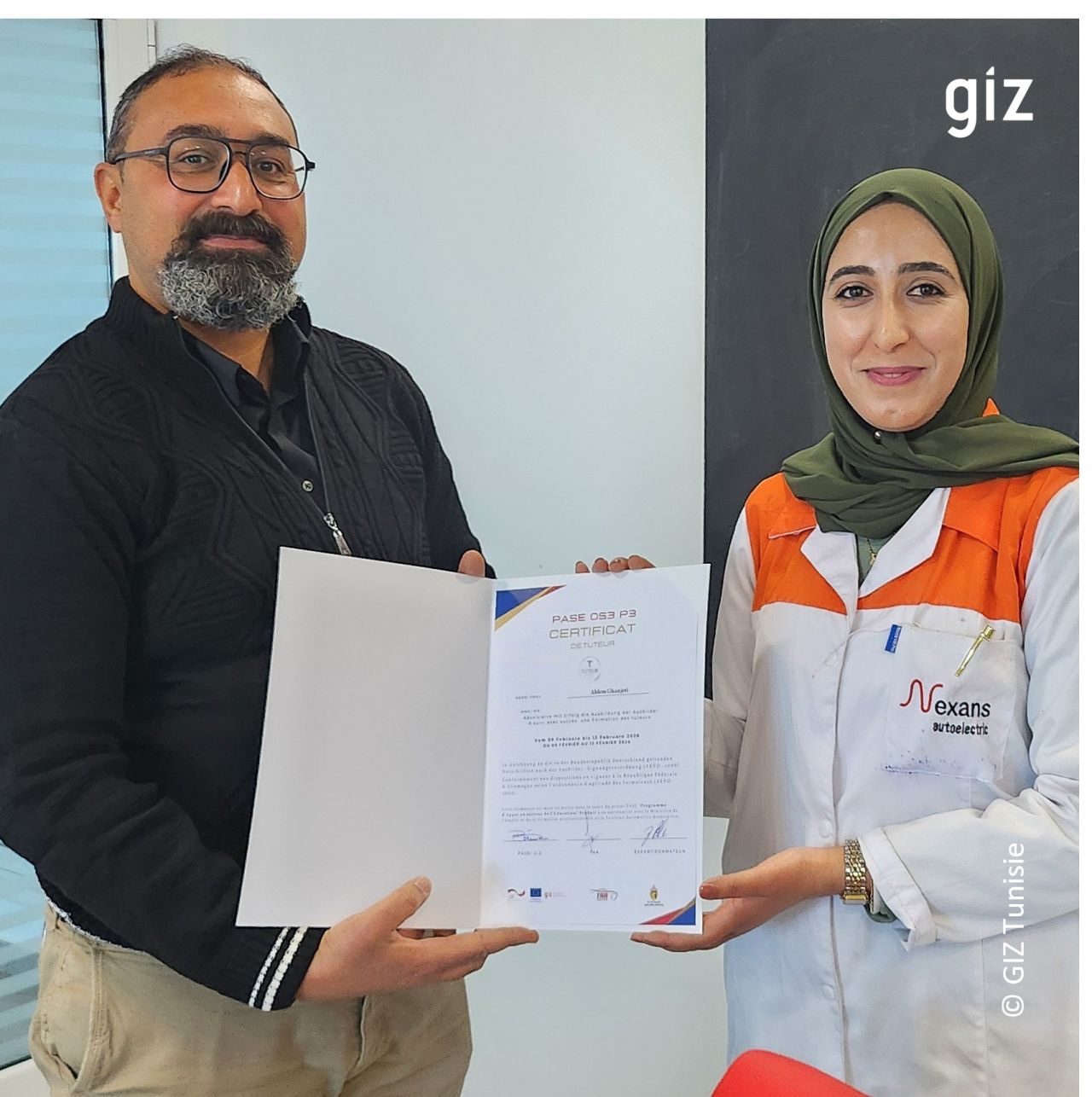
In total, 40 tutors from companies in the automotive sector benefited from this training, divided into three groups.
The program, based on a recognized international curriculum, aimed to:
strengthen the teaching skills of tutors,
to structure their support role within the company,
to professionalize the supervision of young people in industrial immersion.
In a context where the automotive industry is evolving towards increasingly demanding technological and organizational standards, the quality of mentoring becomes a key factor in competitiveness.
Tutoring: a cornerstone of work-study training
Training tutors is a strategic lever for improving the employability of young people.
In a company, the tutor plays a central role: transmission of know-how, integration into the professional environment, development of operational skills and quality culture.
Structured tutoring optimizes the learning experience in real-world work situations and aligns the skills developed with the specific needs of the automotive sector.
Towards the "MISAT – Training Company" label
Companies with trained tutors can apply for the "MISAT - Training Company" label, in partnership with the PASE project - Project to Support the Education Sector.
This label recognizes companies committed to excellence in professional training and skills development.
Through this initiative, TAA confirms its commitment to a structured, competitive Tunisian automotive ecosystem oriented towards the excellence of talent.
These training courses are part of product 3 of specific objective 3 of the Education Sector Support Programme (PASE-OS3), co-financed by the European Union in Tunisia and the German Federal Ministry for Economic Cooperation and Development Federal Ministry for Economic Cooperation and Development (BMZ) , and implemented by the GIZ Tunisia in partnership with the Ministry of Employment and Vocational Training