 English
 French


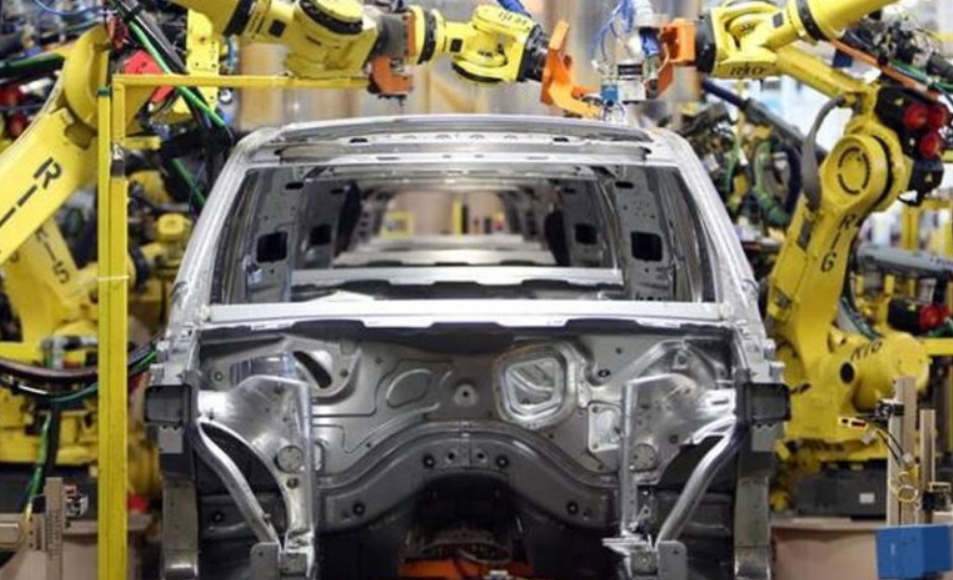
The Tunisian automotive sector, a historical pillar of the national industry, is reaching a strategic turning point, oscillating between industrial saturation and new engineering opportunities. According to Sabri Brahem, a member of the steering committee of the Tunisian Automotive Association (TAA) and regional human resources manager at Dräxlmaier, the model based on mass production and exports is reaching maturity, requiring a reorientation of sectoral priorities.
The sector has largely fulfilled its initial objectives, as defined by Law 72: to strengthen industrial exports and absorb the Tunisian workforce. More than 40 years of efforts in training and skills development have enabled Tunisia to build a robust industrial base, capable of competing with countries like Morocco and Egypt. Today, the sector represents a driver of employment and a pillar of exports.
However, several constraints are being felt. The saturation of the job market, particularly for blue-collar workers, constitutes a major challenge. The declining birth rate, the high labor intensity per unit of production, and post-Covid-19 international competition are exacerbating the pressure on human resources. At the same time, dependence on Europe, which absorbs nearly 90% of production, exposes the sector to economic and regulatory fluctuations, particularly around the 2035 deadline for internal combustion engines, and makes short-term visibility uncertain.
Given this context, the strategic priority is to secure and stabilize the existing situation. According to Brahem, the objective is no longer rapid quantitative expansion, but the sustainability of the industrial apparatus over 9 to 10 years, in order to navigate this phase of global transition without eroding the productive fabric.
In parallel, a major opportunity is emerging: automotive engineering and design. Tunisia is establishing itself as a credible destination for design, software engineering, and the development of technical solutions for global markets. Each year, 8,000 to 10,000 engineers are trained there, representing a highly sought-after pool of talent on an international scale. Several multinational companies have already begun this transition by establishing engineering hubs in the country. The challenge now is to scale up, structure this momentum, and attract more international players.
“The sustainability of the Tunisian sector thus rests on two levers: securing its industrial achievements and capitalizing on its high-level human skills to fully integrate into the global value chains of automotive engineering. This dual approach could transform current constraints into sustainable drivers of competitiveness,” assured Sabri Brahem.